If you want your business to grow in 2025, you need more than random posts, occasional ads, or inconsistent content. You need a powerful digital marketing strategy, one that is structured, data-driven, and built for long-term results. Whether you are a startup or an established brand, success now depends on how well you plan, execute, analyze, and optimize your digital presence.
At Digiknown, we’ve helped hundreds of businesses scale with smart, actionable digital strategies. Today, we’ll walk you through how to build a results-focused plan, how to create an effective content ecosystem, and how analytics can help you make better decisions every single day.
Let’s break it down step-by-step.
1. Start with Clear, Measurable Goals
A digital marketing strategy begins with clarity. You must know exactly what you want to achieve.
Common 2025 digital goals include:
- Increasing website traffic
- Generating qualified leads
- Improving brand visibility
- Boosting online sales
- Increasing engagement and retention
- Growing social presence
- Building email subscriber lists
Your goals should follow the SMART framework: Specific, Measurable, Achievable, Relevant, and Time-bound.
Instead of saying “I want more traffic,” a SMART goal would be: “Increase organic website traffic by 35% within six months.”
These clear goals guide the rest of your digital plan and help you measure progress.
2. Understand Your Target Audience Deeply
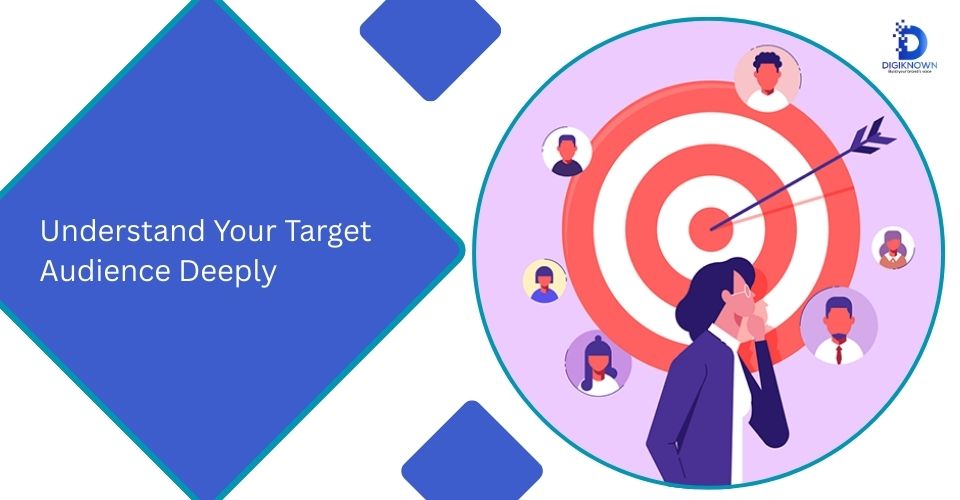
In 2025, general marketing doesn’t work. Personalization does.
You must know your audience’s:
- Age group
- Pain points
- Interests
- Online habits
- Social media usage
- Purchasing behavior
- Search intent
Tools like Google Analytics, Meta Insights, and search data can help you understand exactly what your audience wants.
Once your audience is clear, crafting content and campaigns becomes much easier, and more effective.
3. Build a Strategic Content Plan That Supports Your Goals
Content is the backbone of a powerful digital marketing strategy. But not just any content, strategic, goal-driven content.
Your content plan should include:
✔ Blog Posts
Optimized for SEO, targeting keywords customers are searching for.
✔ Social Media Content
A mix of educational, entertaining, and promotional posts.
✔ Email Marketing Sequences
Newsletters, offers, follow-ups, and relationship-building emails.
✔ Short & Long-Form Videos
Highly impactful on TikTok, Instagram, YouTube, and ads.
✔ Lead Magnets
E-books, checklists, free tools, or guides that grow your email list.
✔ Landing Pages
Focused on converting traffic into leads or customers.
Your content must be consistent, audience-specific, and aligned with your brand voice.
At Digiknown, we create complete content calendars that map out monthly topics, platforms, keywords, and posting frequency, ensuring every piece moves the brand closer to its goals.
4. Strengthen Your Search Presence with SEO
SEO remains one of the most powerful long-term digital strategies. Without it, your brand becomes invisible on Google.
Your SEO should focus on:
✔ On-Page Optimization
Keyword research, clean structure, headings, meta descriptions, internal linking.
✔ Technical SEO
Fast loading speed, mobile optimization, security, crawlability.
✔ Content SEO
Publishing high-quality blogs and guides that answer real questions.
✔ Off-Page SEO
Backlinks, digital PR, guest posts, brand citations.
With correct SEO foundations, your digital marketing becomes more cost-effective and requires less paid advertising over time.
5. Use Paid Advertising to Accelerate Growth
Paid campaigns help you reach your audience faster and convert more leads. In 2025, the most effective platforms include:
- Google Ads
- Facebook & Instagram Ads
- TikTok Ads
- LinkedIn Ads
- YouTube Ads
Paid ads work best when combined with strong landing pages and compelling visuals.
Digiknown integrates PPC and paid campaigns into a brand’s strategy by focusing on:
- Audience targeting
- Keyword bidding
- Conversion-based campaigns
- Retargeting funnels
- A/B testing
- Optimized ad creatives
This ensures every dollar spent brings measurable results.
6. Capture and Nurture Leads with Email Marketing
Email is still one of the highest-ROI channels in digital marketing. It builds trust, nurtures leads, and keeps your brand top-of-mind.
Your email strategy should include:
- Welcome sequences
- Weekly newsletters
- Value-driven content
- Promotional offers
- Loyalty campaigns
- Re-engagement emails
- Abandoned cart reminders
Automated email workflows help you engage customers without manual effort.
7. Optimize Your Website for Conversions

A beautiful website isn’t enough. You need a high-converting website, designed to turn traffic into results.
Your website must:
- Load fast
- Be mobile-friendly
- Offer a clean user experience
- Have trust badges & testimonials
- Use persuasive copywriting
- Include clear calls to action
- Direct visitors to the right place
Simple changes such as improving CTAs or reducing page load time can significantly increase conversions.
8. Track Performance with Analytics and Make Data-Driven Decisions
This is where many brands fail: they don’t track what’s working.
Digital marketing only becomes powerful when data directs your decisions.
You should track:
- Website traffic
- Keyword rankings
- Lead cost
- Ad performance
- Email open rates
- Click-through rates
- Conversion rates
- Audience demographics
- Customer journey paths
Use tools such as:
- Google Analytics 4
- Google Search Console
- Facebook Pixel
- CRM dashboards
- Heatmaps
- A/B testing tools
At Digiknown, analytics drive every decision, what to scale, what to stop, and where to invest next.
9. Adjust, Improve, and Scale Your Strategy
A digital marketing strategy is not a one-time task. It is a continuous cycle:
Plan → Execute → Measure → Improve → Scale
Every month, analyze:
- Which content performed best
- Which ads delivered ROI
- Which platforms gave strong engagement
- What audiences responded the most
- Which pages converted the highest
Then refine your approach for the next cycle.
The brands that succeed in 2025 are those that adapt fast, test constantly, and think strategically.
Ready to build a winning digital marketing strategy for 2025? Digiknown helps brands grow with powerful content plans, advanced analytics, and performance-driven campaigns. Contact Digiknown today and transform your digital presence into a lead-generating machine.
FAQs
1. Why is a digital marketing strategy important in 2025?
Because customer behavior is constantly evolving, a digital strategy ensures your brand stays visible, competitive, and relevant across search engines, social media, and online platforms.
2. How often should I update my digital marketing strategy?
You should evaluate performance monthly and update the complete strategy every quarter to match market trends, audience behavior, and industry changes.
3. What is the most important part of a digital marketing strategy?
The essential part is alignment: clear goals, targeted content, optimized channels, and continuous analytics. When these work together, results grow quickly.